

Lift Table Technology
Lift table technology serves as a key enabler for industrial breakthroughs, offering significant opportunities for both technical innovation and productivity gains. Designed to extend human capabilities, scissor lift tables are essential in manufacturing settings for transporting materials to the worksite and positioning them precisely for ergonomic assembly.
Powering Productivity: Hydraulic, Pneumatic, and Electric
Scissor lift tables are typically powered by hydraulic, pneumatic, or electromechanical systems. While hydrauliclifts are the most common, they are the “least clean” option due to the potential for hydraulic fluid leaks or weeping. Pneumaticlifttables utilize compressed air to expand cylinders or bags; they are ideal for dust-free clean room applications, though the rising cost of compressed air is a growing concern for many facilities.
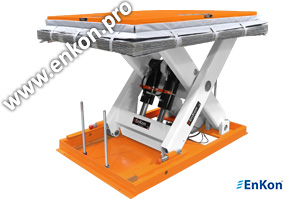
The Shift to Precision: Electromechanical Belt Drives
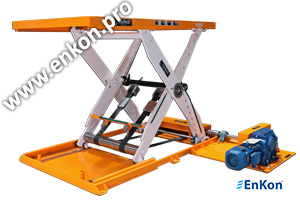
A primary downside to hydraulic and pneumatic systems is the lack of precise positioning. To solve this, electromechanicallifttables utilize a high-capacity beltdrivesystem to raise and lower the platform
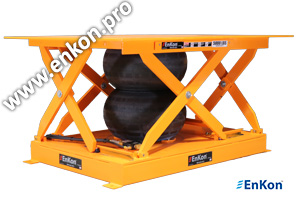
By replacing traditional fluid power hydraulic or pneumatic designs with a heavy-duty belt drive, these tables offer superior precision and much higher cycle count capability. Furthermore, belt-driven systems are the ultimate “Clean and Green” lifting solution—they require no oil, consume less energy, and operate with significantly less noise than their counterparts.
Looking Ahead: Speed, Safety, and Accuracy
The current trends in positioning technology are driving electromechanical lifts toward even higher levels of safety and precision. Meanwhile, hydraulic and pneumatic designs are evolving to reduce costs through simplified design changes. Across all three platforms, the industry goal remains the same: increasing cycle speeds without sacrificing accuracy or operator safety.